
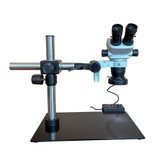
Best Industrial Microscopes for Inspection & Quality Control
Mar 27th 2026
Industrial microscopes play a critical role in modern manufacturing, electronics inspection, and quality control processes. Whether you’re examining circuit boards, inspecting small components, or documenting defects, choosing the right microscope can significantly improve accuracy and efficiency.
What Are Industrial Microscopes?
Industrial microscopes are designed for inspecting, analyzing,
…
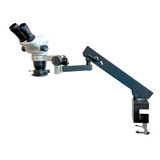
Best Microscope for Engraving Jewelry
Mar 20th 2026
Engraving jewelry requires precision, control, and the ability to clearly see fine detail without sacrificing comfort. A standard microscope won’t always cut it. The wrong setup can limit your working space, distort depth, or cause fatigue during long sessions.
If you’re looking for the best microscope for engraving, it’s important to understand what actually matters for hands-on
…

Understanding Dynamic Range and Signal-to-Noise Ratio in Microscope Cameras
Mar 13th 2026
Microscope cameras have become essential tools in modern laboratories, classrooms, and industrial inspection. But when comparing camera specifications, two technical terms often appear that can be confusing: dynamic range and signal-to-noise ratio (SNR) .
Understanding these two factors can dramatically improve the quality of your microscope images. Whether you're documenting samples, capturing
…

What Can You See in Pond Water Under a Microscope?
Mar 6th 2026
If you scoop a small jar of pond water and place a drop under a microscope, you are opening a window into an entire hidden ecosystem. What looks like plain water to the naked eye is actually filled with tiny living organisms, plant fragments, and microscopic predators.
Scientists call these organisms microorganisms, and many of them are fascinating to watch because they move, hunt, and interact wi
…


